


Sleep Recovery Athletes News: Research Insights
|
|
|
Time to read 5 min
Shop Now
Gift cards
Give the gift of better sleep
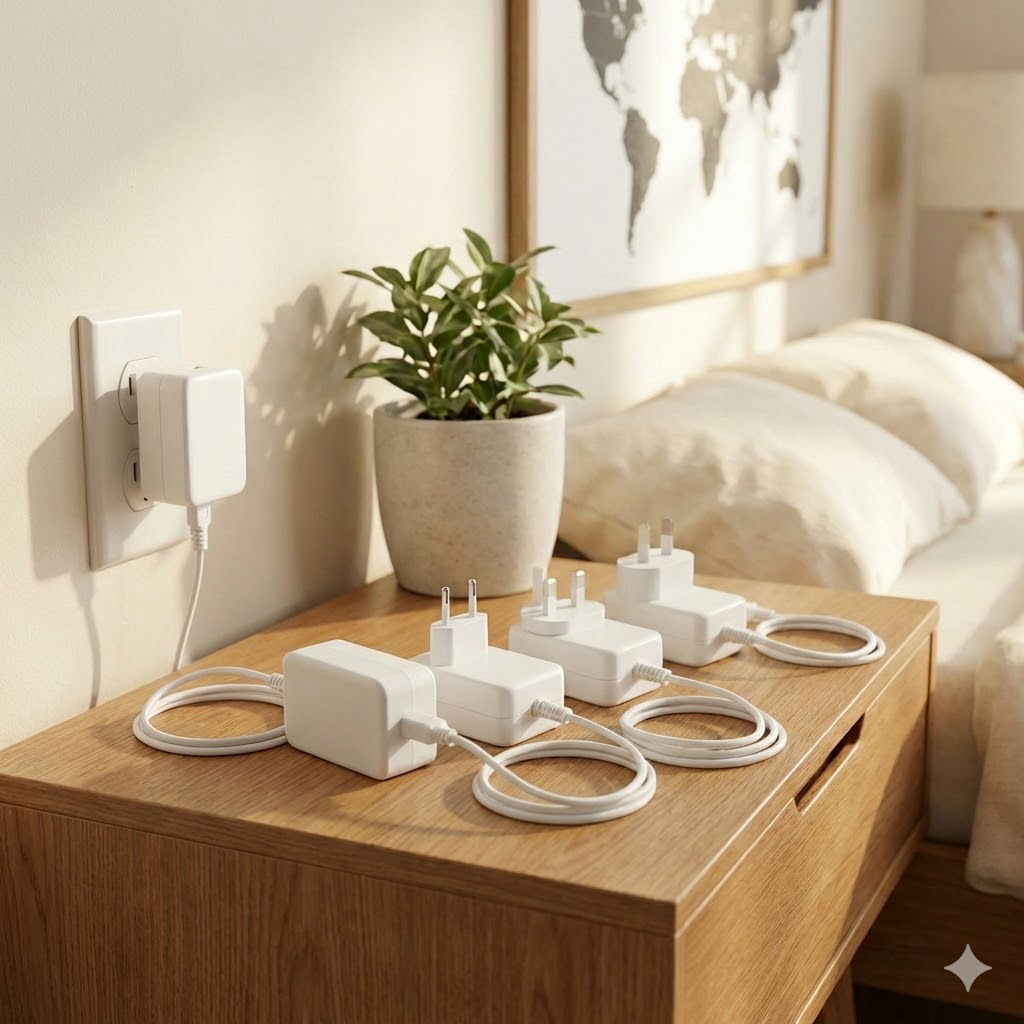
Power Adaptors
Designed for global use
See all products
Explore the full Sleepal range
SEE Help Center
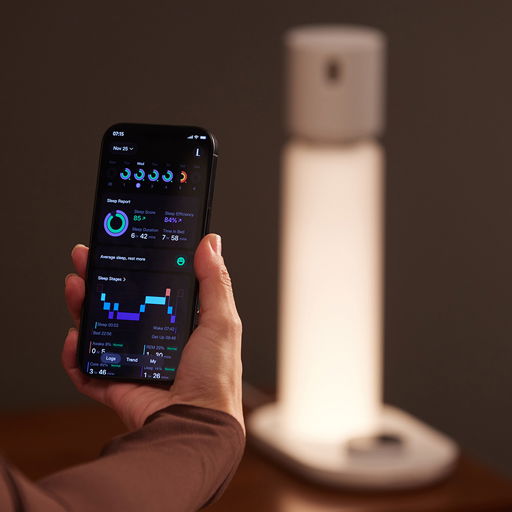
Integrations
Connects to your home ecosystem
Privacy
Your data, your control
Learn More
Accuracy
Insights you can trust
Wellness
Supporting healthier, better sleep
Lumisense
Lighting that adapts to your rhythms
Acoustic Support
Calming sounds to help you settle
Alarm Features
Wake up gently and naturally
Sleepal App
Control everything in one place
Learn More
Busy Professionals
Better rest for demanding days
Sleep Challenged
Gentle guidance for easier nights
Teens
Better sleep for growing minds
Seniors
Gentle, respectful support for better sleep
|
|
|
Time to read 5 min
Sleep Recovery Athletes News: Athletic training places repeated stress on muscles, metabolism, and the nervous system. Recovery restores these systems and prepares the body for the next training cycle. Many of the biological processes that support recovery occur during sleep. For this reason, sleep has become an important focus in sports science research.
Researchers now study sleep patterns in athletes to understand how rest contributes to recovery and performance. Monitoring technologies allow scientists to track sleep behavior across training periods, travel schedules, and competition cycles. These tools provide insight into how sleep patterns change when athletes face demanding physical workloads.
A recent study published in Sports examined how wearable devices measure sleep in athletes. The research evaluated whether these devices can estimate sleep patterns accurately enough to support recovery monitoring. The findings contribute to a growing body of research that examines how sleep data can be used to understand recovery in athletic populations.
Table of contents
Sleep monitoring has become a common method for studying recovery in sports science. Athletes often experience irregular schedules that include early training sessions, late competitions, and frequent travel. These conditions can disrupt sleep patterns and make recovery more difficult to measure.
The study published in Sports analyzed wearable devices designed to monitor sleep in athletes. Researchers compared measurements from these devices with established sleep monitoring methods. The goal was to determine how accurately wearable devices estimate sleep duration and nightly sleep patterns.
The devices recorded several sleep variables, including:
total sleep duration
sleep onset timing
nightly sleep patterns
These measurements allowed researchers to examine how sleep patterns changed during training cycles and competition periods. Continuous monitoring provided a broader view of sleep behavior than short laboratory studies.
Sleep data collected over multiple nights revealed patterns that might not appear during a single sleep observation. This approach allows researchers to examine how training schedules, travel, and fatigue influence sleep behavior in athletes.
Recovery after physical training depends on several biological processes that occur during rest. Sleep provides conditions that allow these processes to proceed efficiently.
Several recovery functions occur during sleep:
Muscle repair – Intense training causes microscopic damage to muscle fibers. Overnight recovery allows the body to rebuild these tissues.
Hormonal regulation – Hormones related to metabolism and stress follow daily rhythms tied to regular sleep cycles.
Cardiovascular recovery – Heart rate decreases during sleep, which reduces strain on the cardiovascular system.
Nervous system balance – The autonomic nervous system shifts toward parasympathetic activity, which promotes recovery.
Consistent sleep patterns help maintain these recovery processes. Interrupted or insufficient sleep may influence fatigue levels, metabolic balance, and training readiness.
Sleep occurs in several stages that support different physiological processes. These stages cycle throughout the night and influence how the body recovers from physical exertion.
Deep sleep, also known as slow-wave sleep, is particularly important for physical recovery. During this stage, the body releases growth hormone and increases protein synthesis. These processes contribute to muscle repair and tissue rebuilding following intense training.
Rapid eye movement (REM) sleep supports cognitive and neurological recovery. Brain activity increases during REM sleep, and neural pathways involved in learning and coordination become more active. For athletes, this stage may contribute to skill consolidation and motor learning.
Sleep cycles repeat several times during the night. Disruptions that shorten deep sleep or REM sleep may reduce the effectiveness of recovery processes. For this reason, researchers often examine sleep structure when evaluating recovery in athletic populations.
Monitoring sleep patterns allows scientists to observe how sleep stages change across training cycles and competition schedules.
Sports scientists use several methods to observe sleep patterns in athletes. Each approach measures different physiological signals.
| Monitoring Method | Signals Measured | Research Use |
|---|---|---|
| Polysomnography | Brain activity, breathing, heart rate | Laboratory sleep studies |
| Wearable devices | Movement, heart rate | Long-term athlete monitoring |
| Contactless sensors | Breathing motion, body movement | Non-intrusive observation |
Wearable sleep trackers are widely used in sports research. These devices record body movement using accelerometers and often measure heart rate through optical sensors.
Movement patterns allow researchers to estimate sleep and wake periods through a technique known as actigraphy. Heart rate signals provide additional information about physiological activity during the night.
Because wearable devices operate outside laboratory settings, researchers can observe sleep patterns across extended training periods.
Laboratory sleep studies use polysomnography to measure detailed physiological signals during sleep. Sensors record brain activity, breathing patterns, and heart activity. This method provides the most comprehensive view of sleep physiology, though it usually captures only a single night of sleep.
Researchers are also exploring contactless systems that monitor sleep without sensors attached to the body. These technologies detect subtle body movements produced by breathing and cardiac activity. Remote monitoring systems may allow scientists to observe sleep patterns without disrupting natural sleep behavior.
Sleep monitoring technologies measure several signals that help researchers observe recovery patterns.
Total sleep duration remains one of the most important measurements in sleep research. Athletes who maintain sufficient sleep duration tend to show more stable recovery patterns across training cycles.
Heart rate typically declines during sleep. Monitoring heart rate patterns helps researchers observe changes in cardiovascular activity associated with recovery.
Respiratory rhythms often stabilize during deeper sleep stages. Monitoring breathing patterns allows researchers to observe sleep stability and detect irregular physiological activity.
These signals provide useful indicators of how the body behaves during sleep.
Although sleep monitoring technologies provide useful data, measuring sleep in athletes presents several challenges.
Athletes often maintain irregular schedules that include travel, early training sessions, and late competitions. These factors can shift circadian rhythms and create variability in sleep timing. As a result, sleep patterns in athletes may differ significantly from those observed in controlled laboratory studies.
Monitoring technologies also vary in their ability to capture physiological signals. Wearable devices typically estimate sleep patterns through movement data and heart rate signals. While these measurements provide useful information about sleep behavior, they may not capture all aspects of sleep physiology.
Laboratory sleep studies provide more detailed measurements, but they occur in controlled environments that differ from normal sleep settings. This makes long-term monitoring difficult.
Researchers therefore continue to evaluate new monitoring methods that allow sleep to be studied across extended periods while preserving natural sleep conditions.
Sleep monitoring technologies allow researchers to study recovery across longer time periods. Continuous monitoring makes it possible to observe how sleep patterns change throughout training cycles.
This data helps researchers examine relationships between sleep behavior and factors such as:
training intensity
competition schedules
travel fatigue
Long-term monitoring provides insight into how sleep patterns shift when athletes face demanding physical workloads. These observations contribute to a broader understanding of recovery in sports science.
Advances in sensing technologies continue to expand the tools available for sleep research. Monitoring systems are becoming smaller, more energy-efficient, and capable of capturing subtle physiological signals during sleep.
New analytical methods are also improving the interpretation of sleep data. Machine learning models can analyze large sleep datasets and identify patterns related to fatigue and recovery.
As these technologies evolve, sleep monitoring may provide deeper insight into how recovery occurs during sleep. Continuous observation of physiological signals will likely play an increasing role in sports science research and long-term athlete health monitoring.
Be the first to receive our latest product updates, newest offerings, and free product trials.
We care about protecting your data. Read more in our Privacy Policy.



Sleepal® AI Lamp
How it Works
Sleepal App
Lighting Features
Audio Features
Smart Home
Compare Devices
Early Access Program
Product
Sleepal AI Lamp
How It Works
Sleepal App
Lighting Features
Audio Features
Smart Home
Compare Devices
Early Access Program
© 2026 Sleepal. All rights reserved. Sleepal is a trademarks of Hong Kong XSmart and may not be used without permission.
© 2026 Sleepal. All rights reserved. Sleepal is a trademarks of Hong Kong XSmart and may not be used without permission.


