




Light Therapy for Delayed Sleep Phase Disorder Explained
|
|
|
Time to read 7 min
Shop Now
Gift cards
Give the gift of better sleep
Power Adaptors
Designed for global use
See all products
Explore the full Sleepal range

SEE Help Center
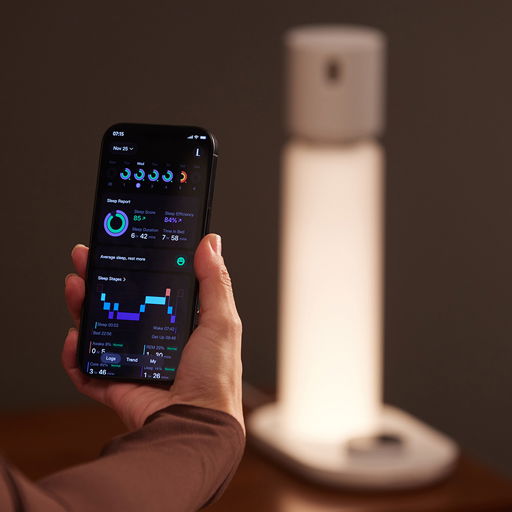
Integrations
Connects to your home ecosystem
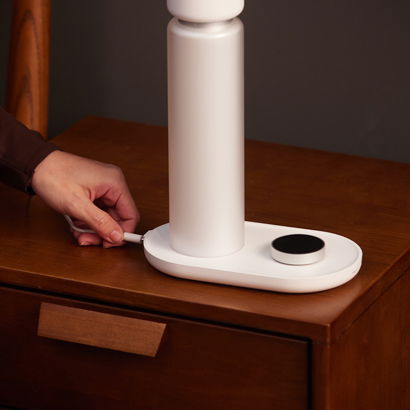
Privacy
Your data, your control
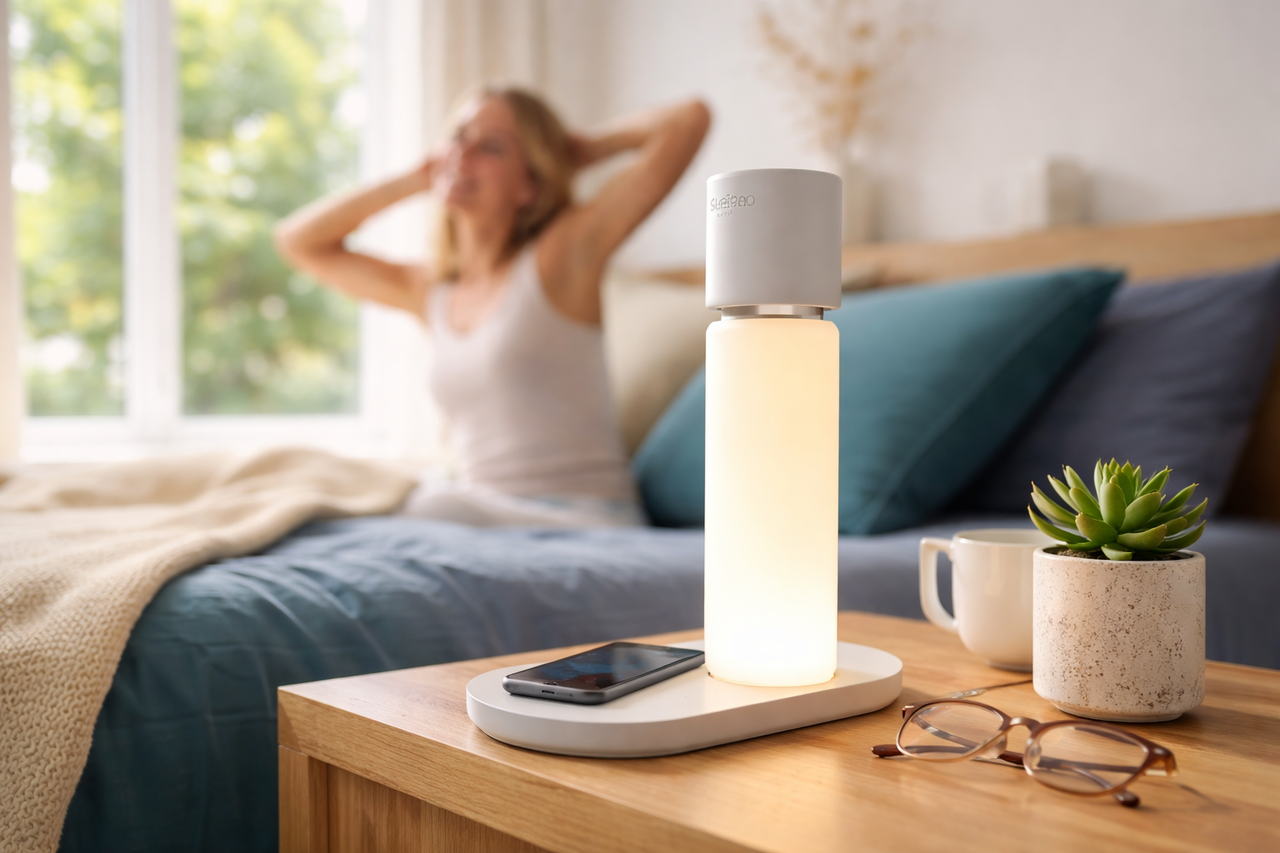
Learn More
Accuracy
Insights you can trust

Wellness
Supporting healthier, better sleep
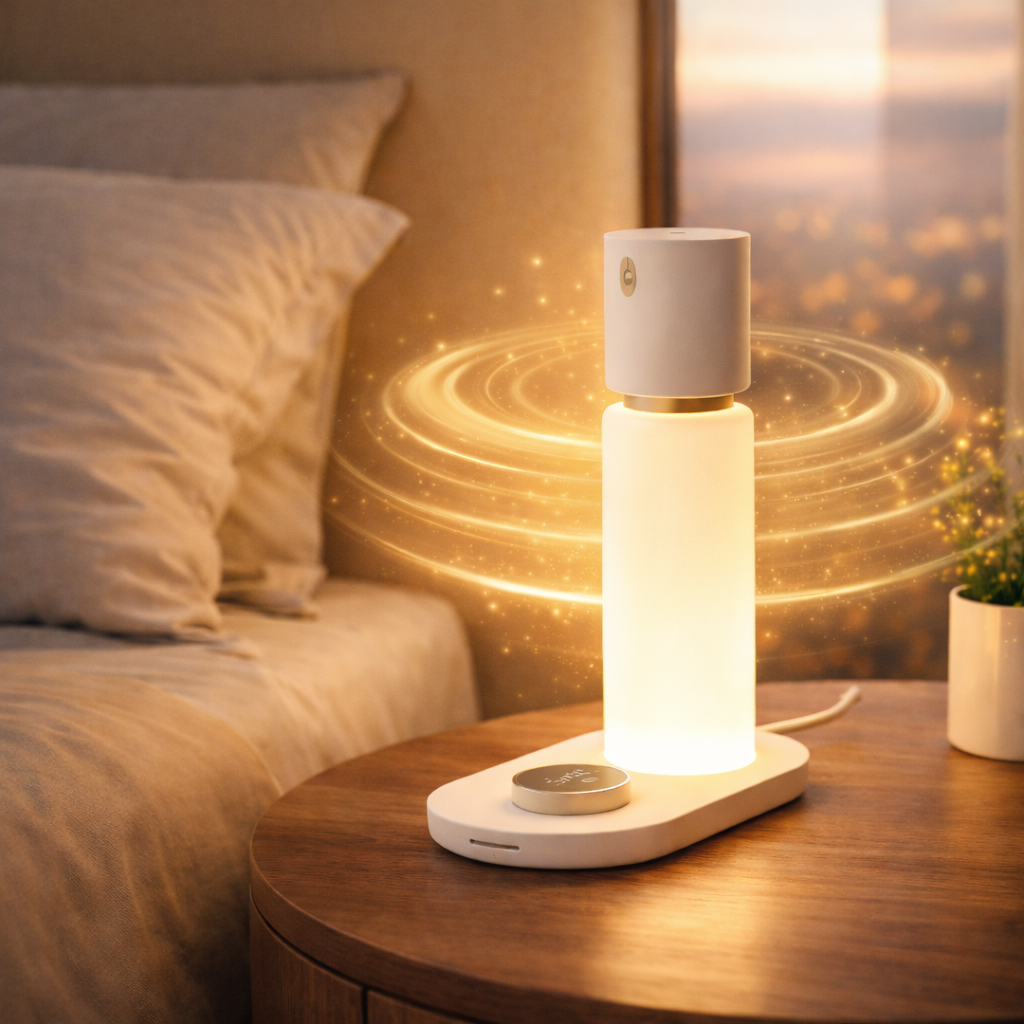
Lumisense
Lighting that adapts to your rhythms
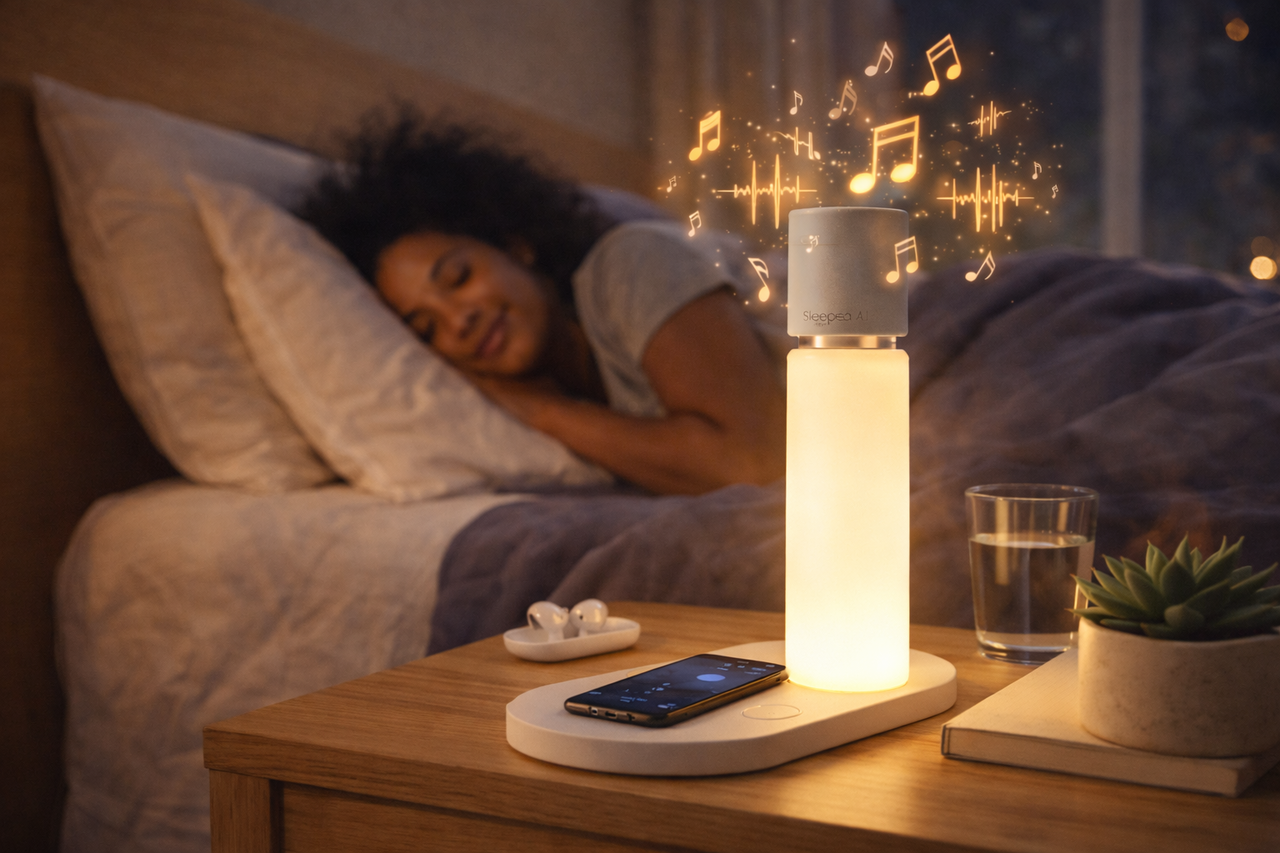
Acoustic Support
Calming sounds to help you settle

Alarm Features
Wake up gently and naturally
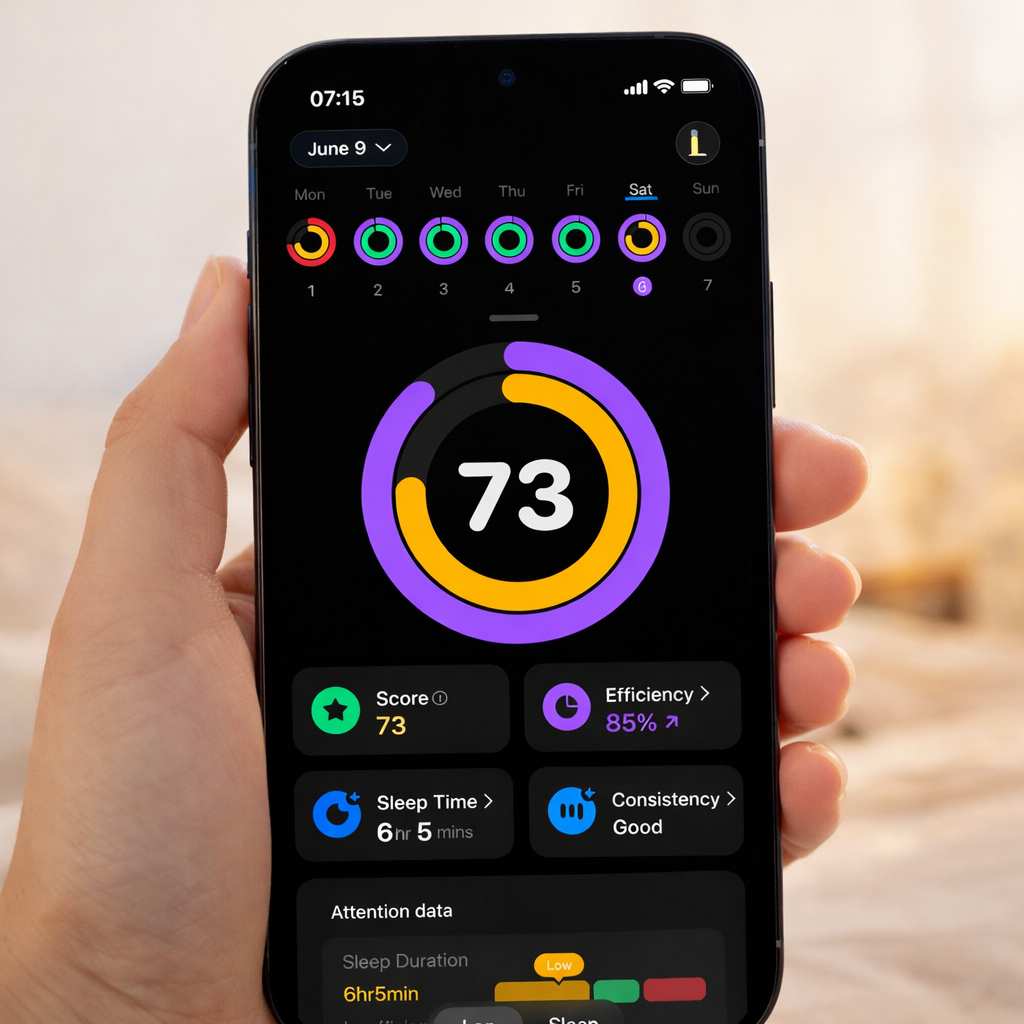
Sleepal App
Control everything in one place
Learn More

Busy Professionals
Better rest for demanding days
Sleep Challenged
Gentle guidance for easier nights
Teens
Better sleep for growing minds
Seniors
Gentle, respectful support for better sleep
|
|
|
Time to read 7 min
Light therapy for delayed sleep phase disorder is used to shift the body’s internal clock earlier. Delayed sleep phase disorder, also called delayed sleep-wake phase disorder, occurs when the circadian rhythm is misaligned with normal sleep schedules. People with this condition often cannot fall asleep until very late at night and struggle to wake up in the morning.
Sleep timing in humans is controlled by the circadian system, a biological timing network that responds strongly to light exposure. Light signals detected by the eye travel to the brain’s central circadian clock and influence when the body prepares for sleep and wakefulness. Because light directly affects circadian timing, carefully timed light exposure can move the sleep cycle earlier or later.
Research in sleep medicine shows that light exposure in the morning can advance the circadian rhythm and help individuals with delayed sleep phase disorder fall asleep earlier. Clinical studies and circadian biology research both support the use of light therapy as a treatment for circadian rhythm sleep disorders.
Table of contents
Delayed sleep phase disorder (DSPD) is a circadian rhythm sleep-wake disorder characterized by a consistent delay in the timing of sleep. People with DSPD typically fall asleep two or more hours later than conventional bedtime schedules. As a result, waking up for work or school becomes difficult.
The condition does not necessarily involve poor sleep quality. Individuals with delayed sleep phase disorder may sleep normally if allowed to follow their preferred schedule. The primary problem lies in the timing of the sleep cycle rather than the ability to sleep.
DSPD occurs most commonly in adolescents and young adults, though it can affect individuals of any age. Researchers believe the disorder involves a delay in the internal circadian clock relative to the external light–dark cycle.
Circadian rhythm sleep disorders occur when internal biological timing becomes misaligned with social schedules. In delayed sleep phase disorder, this misalignment leads to late sleep onset and difficulty waking at conventional times.
Light is the strongest environmental signal controlling the human circadian rhythm. Specialized light-sensitive cells in the retina detect ambient light and transmit signals to the suprachiasmatic nucleus (SCN), the brain’s central circadian pacemaker.
The SCN coordinates daily rhythms throughout the body, including sleep timing, hormone release, body temperature cycles, and alertness patterns. When light reaches the retina, neural signals travel along the retinohypothalamic pathway to the SCN. These signals adjust circadian timing so that the internal biological clock aligns with the external day-night cycle.
Light exposure at different times of day produces different circadian effects. Light in the early morning tends to advance circadian timing, meaning the body clock shifts earlier. In contrast, light exposure during the evening or nighttime can delay the circadian rhythm.
This timing response explains why late-night exposure to bright screens or artificial lighting can push sleep later. It also explains why controlled light exposure can be used therapeutically to shift sleep schedules.
The role of light as a primary circadian signal has been described extensively in sleep research and circadian biology literature, including work examining how light affects sleep timing, mood, and circadian alignment.
Light therapy works because the circadian system responds predictably to light exposure. The timing of light determines whether the body clock shifts earlier or later.
In delayed sleep phase disorder, the circadian rhythm is delayed relative to normal sleep schedules. Morning light exposure can move this delayed rhythm earlier, helping the individual fall asleep and wake up sooner.
The circadian response to light is often described through the phase-response curve. This curve illustrates how light exposure at different times influences circadian timing. Exposure during the biological morning advances the circadian phase, while exposure during the biological evening delays it.
For individuals with delayed sleep phase disorder, light therapy typically focuses on bright light exposure shortly after waking. This timing gradually shifts the circadian rhythm earlier over multiple days.
Clinical research has examined the effectiveness of bright light therapy in individuals with delayed sleep phase disorder. Studies of adolescents with delayed sleep timing have shown that morning bright light exposure can shift circadian rhythms earlier and improve sleep timing.
One study investigating bright light therapy for adolescents with delayed sleep phase disorder observed improvements in sleep onset timing following scheduled light exposure. Participants who received morning light therapy showed earlier sleep schedules compared with baseline measurements.
Research in circadian biology also supports the mechanism behind this treatment. Light exposure influences circadian timing through retinal signaling pathways that regulate the brain’s central clock. These findings help explain why controlled light exposure can modify sleep timing in circadian rhythm disorders.
Together, clinical and physiological research support the use of light therapy as a treatment approach for delayed sleep phase disorder.
Light therapy involves exposure to bright artificial light designed to simulate natural daylight. In sleep medicine, clinicians use light exposure at specific times of day to shift the circadian rhythm earlier or later.
Most clinical light therapy devices produce light levels between 7,000 and 10,000 lux, which approximates the brightness of outdoor daylight shortly after sunrise.
The intensity of light influences the strength of the circadian signal received by the brain. Higher intensities generally produce stronger circadian responses.
Timing is the most important factor in circadian light therapy.
For individuals with delayed sleep phase disorder, morning light exposure shortly after waking helps advance the circadian rhythm. This means the internal body clock shifts earlier, allowing sleep to occur earlier in the evening.
Light exposure during the evening has the opposite effect and may delay the circadian rhythm.
Light therapy sessions usually last 20 to 45 minutes per day. The exact duration depends on light intensity and individual circadian sensitivity.
Consistent daily exposure is important because circadian rhythms adjust gradually over several days.
During treatment sessions, individuals sit near the light source with their eyes open while performing routine activities such as reading or eating breakfast.
Typical light therapy devices are positioned about 20–35 centimeters from the face. Directly staring at the light source is not required for the circadian system to detect the light signal.
The effectiveness of light therapy depends strongly on timing. Light exposure that occurs at the wrong time of day can delay the circadian rhythm instead of advancing it.
Evening exposure to bright light can push sleep timing later, especially when exposure occurs close to bedtime. This effect can counteract the benefits of morning light therapy.
Inconsistent use of light therapy may also limit treatment effectiveness. Circadian rhythms respond gradually to repeated daily signals, so irregular exposure patterns may produce weaker phase shifts.
Correct timing of light exposure is therefore essential when using light therapy to treat delayed sleep phase disorder.
Light therapy is generally considered safe when used appropriately, though some individuals experience mild side effects.
Possible side effects include:
eye strain
headaches
nausea
irritability
temporary sleep disruption
Mistimed light exposure can also influence sleep timing in unintended ways. Evening light exposure may delay circadian rhythms, while excessively early morning exposure can shift the circadian phase too far.
Individuals with certain eye conditions or photosensitive disorders should consult a healthcare professional before using light therapy.
Circadian rhythms vary between individuals. Some people naturally have earlier circadian timing, while others have later biological clocks. Effective light therapy often requires aligning treatment timing with an individual’s circadian phase.
Sleep researchers sometimes measure circadian phase using markers such as dim-light melatonin onset. These measurements help determine when the body’s internal night begins and can guide optimal timing of light exposure.
Understanding circadian timing allows clinicians to apply light therapy more precisely when treating circadian rhythm sleep disorders.
Successful treatment of circadian rhythm sleep disorders often depends on identifying when an individual’s internal clock is delayed relative to the external day–night cycle. Because the timing of light exposure determines whether circadian rhythms shift earlier or later, researchers frequently monitor sleep timing and physiological patterns when studying delayed sleep phase disorder.
Several biological signals reflect circadian phase. Sleep onset time, wake timing, and changes in nighttime physiology can provide clues about the position of the circadian clock. In research settings, scientists may also measure markers such as melatonin rhythms or core body temperature cycles to estimate circadian timing more precisely.
Continuous observation of sleep patterns allows researchers to track how circadian rhythms respond to treatment interventions such as morning light exposure. Monitoring sleep across multiple nights can reveal whether circadian timing gradually shifts earlier during therapy.
As circadian research progresses, tools that measure sleep behavior and physiological signals outside laboratory settings are becoming increasingly important. These approaches allow researchers to observe sleep timing under natural conditions and better understand how treatments such as light therapy influence circadian alignment over time.
Advances in circadian science continue to improve understanding of sleep timing disorders. Researchers are exploring ways to personalize treatments for delayed sleep phase disorder by combining light therapy with other approaches, such as behavioral scheduling and circadian monitoring.
Technologies that track sleep timing and physiological signals may also help researchers observe how circadian rhythms shift during treatment. Continuous sleep monitoring could allow more precise adjustment of therapy timing in the future.
As circadian research progresses, light-based therapies remain an important tool for correcting sleep timing disorders and restoring alignment between biological rhythms and daily schedules.
Be the first to receive our latest product updates, newest offerings, and free product trials.
We care about protecting your data. Read more in our Privacy Policy.



Sleepal® AI Lamp
How it Works
Sleepal App
Lighting Features
Audio Features
Smart Home
Compare Devices
Early Access Program
Product
Sleepal AI Lamp
How It Works
Sleepal App
Lighting Features
Audio Features
Smart Home
Compare Devices
Early Access Program
© 2026 Sleepal. All rights reserved. Sleepal is a trademarks of Hong Kong XSmart and may not be used without permission.
© 2026 Sleepal. All rights reserved. Sleepal is a trademarks of Hong Kong XSmart and may not be used without permission.

