
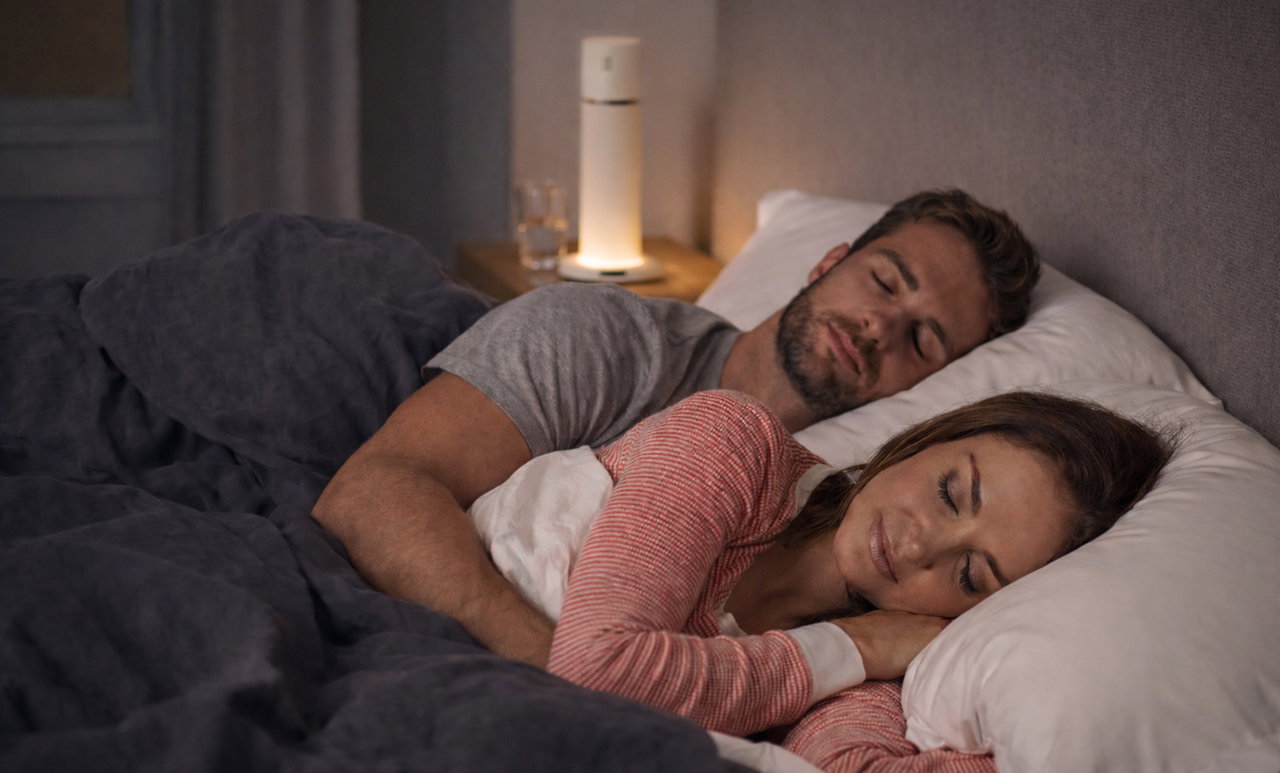
Meet LumiSense
Adaptive Light Intelligence
A core feature of the Sleepal AI Lamp, LumiSense senses your
environment, understands your sleep patterns, and adjusts light in real
time — helping you fall asleep naturally, move safely at night, and wake at the right moment.
Start Your Sleep Upgrade
Explore How It Works

Light That Thinks Before You Do
LumiSense is not just lighting — it’s an intelligent system that continuously adapts
to you.
By combining presence detection, circadian rhythm alignment, and precision
lighting control, LumiSense creates the right light at the right moment — without
requiring constant input.
A Smarter Way to Drift Off and Rise
Where precision audio meets your biology.
We’ve seamlessly blended intelligent soundscapes with adaptive lighting to work in total harmony with your environment.
Sleepal monitors your natural sleep patterns to find your lightest sleep phase. By initiating a gentle, sonically-guided wake sequence, we replace morning stress with a harmonious transition—ensuring you wake up feeling truly restored, not just "awake."
Designed for Sleep Onset
Certified Guided Breathing Sessions
As your body prepares for sleep, light matters. LumiSense shifts into low blue-light output in the evening, creating a warmer, softer environment that supports your natural wind-down process.
Reduced blue-light exposure at night
Warm lighting profiles for relaxation
Supports natural sleep preparation
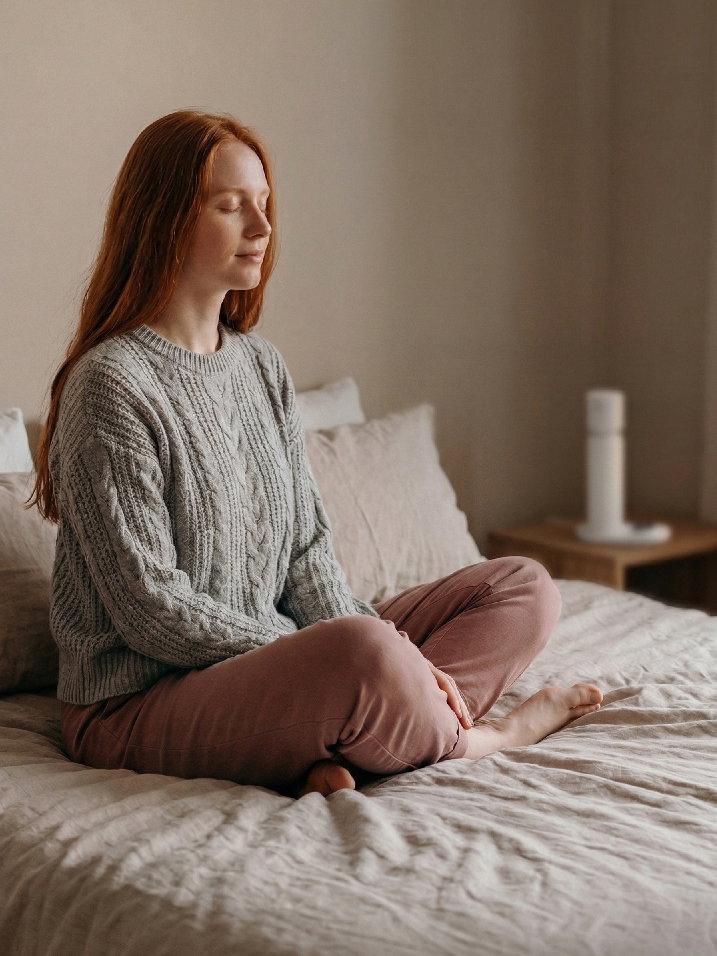
Beyond the Lamp: A Unified Intelligence.
Rest is a multi-dimensional puzzle. We’ve integrated the four core variables into one seamless, automated experience.
Our Audio Research Center
LumiSense is designed around established principles of light
exposure and sleep behavior — helping align your
environment with how your body naturally functions.
news
Stage N1 Sleep

What is Stage N1 sleep? Learn how long it lasts, how it fits into the sleep cycle, and how to interpret light sleep on your tracker.
knowledge
Circadian Rhythm vs Sleep Cycle
Learn the difference between circadian rhythm vs sleep cycle, how they interact, and why timing affects sleep quality more than total hours.