
Side Sleeping May Improve Your Score
 Sleepal Product ManagerSeptember 13, 2026
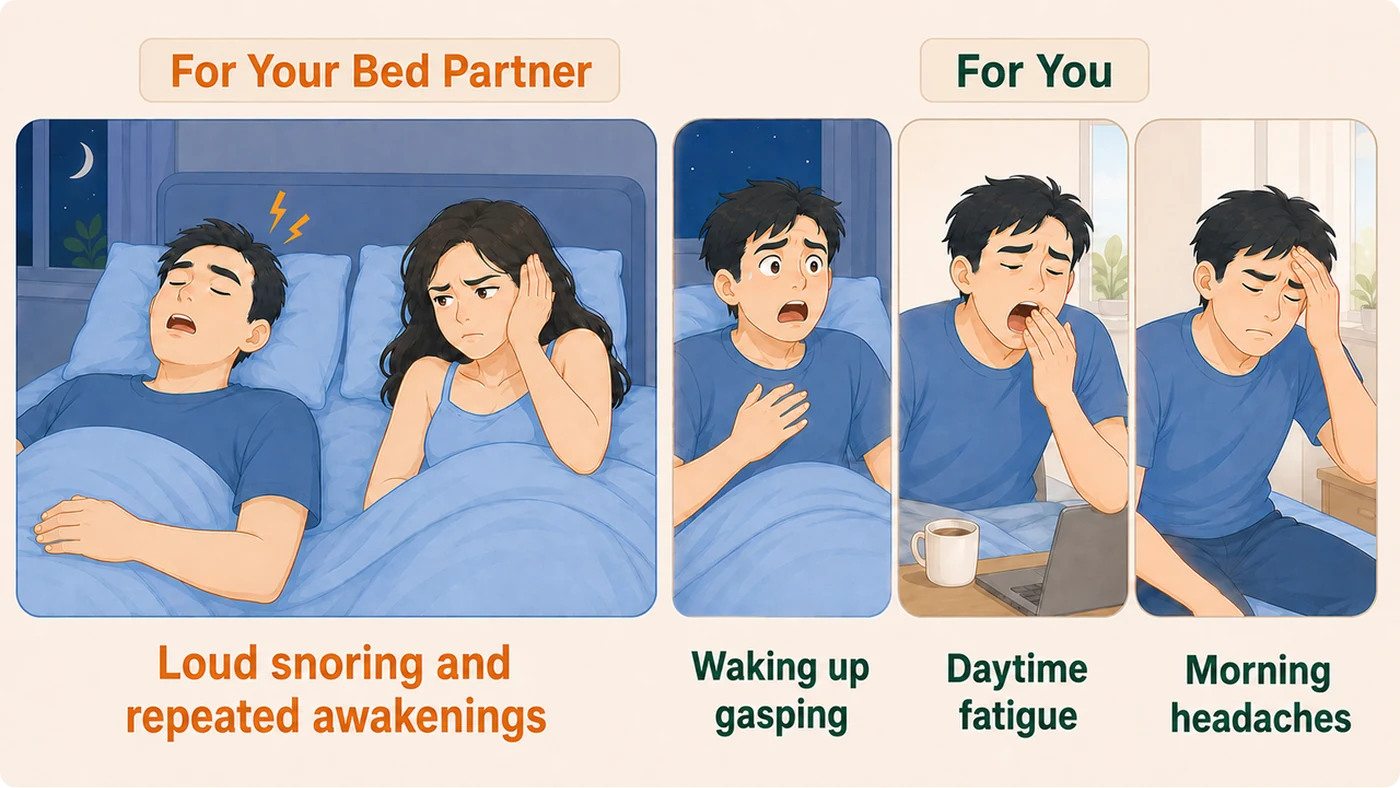
Snoring Affects More Than Just Your Bed Partner
Occasional snoring is common. But if your snoring is often loud and persistent—and is accompanied by pauses in breathing at night, waking up gasping, or pronounced daytime sleepiness—it may mean that your nighttime breathing is being affected and could be a sign of sleep apnea.
What Do Sleep Experts Say?
1. Sleep Apnea: Health Risks and Common Treatment Options
Dr. Virend Somers, a cardiologist at Mayo Clinic, explains that obstructive sleep apnea repeatedly interrupts breathing and lowers blood oxygen during the night. It may contribute to high blood pressure and increase cardiovascular strain and the risk of heart problems.

2. Why Sleeping Position Can Affect Snoring
Dr. Mas Takashima, a sleep medicine specialist at Houston Methodist, explains that when you sleep on your back, gravity makes the soft tissues of the airway more likely to collapse backward, which can worsen snoring. For people whose breathing is clearly affected by sleeping position, switching to side sleeping may help.
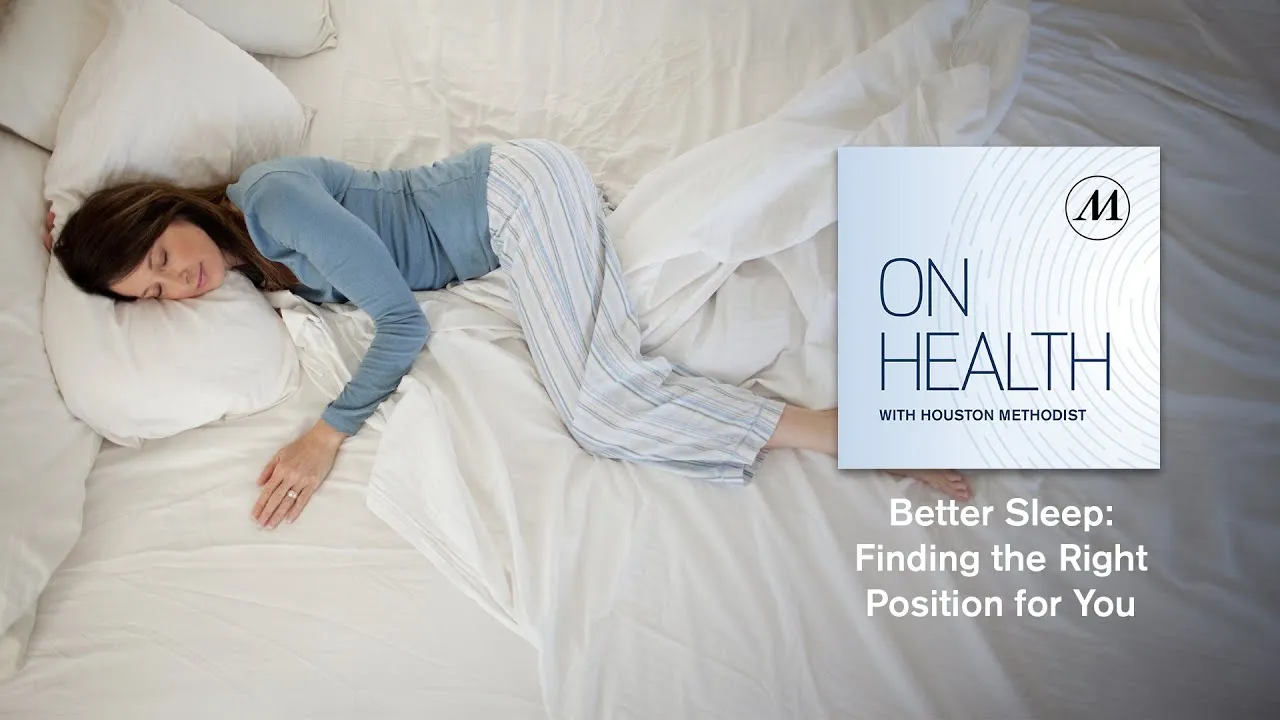
Mayo Clinic sleep experts also recommend that people who snore easily or have sleep apnea avoid sleeping on their backs when possible and try sleeping on their sides instead.
Disclaimer: This content is for general health education only and does not constitute medical diagnosis or treatment advice. All video copyrights belong to their original publishers. These references do not imply endorsement or certification of Sleepal by any expert or institution. This product is not a medical device and cannot diagnose sleep apnea.
How Can Snoring Be Improved?
The following methods are based on the authoritative medical review Treatment Options for Obstructive Sleep Apnea:
Start With Lifestyle Habits
• Lose weight if needed;
• Try to spend less time sleeping on your back and more time sleeping on your side;
• Avoid drinking alcohol close to bedtime.
Among these changes, side sleeping is something you can start trying tonight.
How to Adjust to Side Sleeping
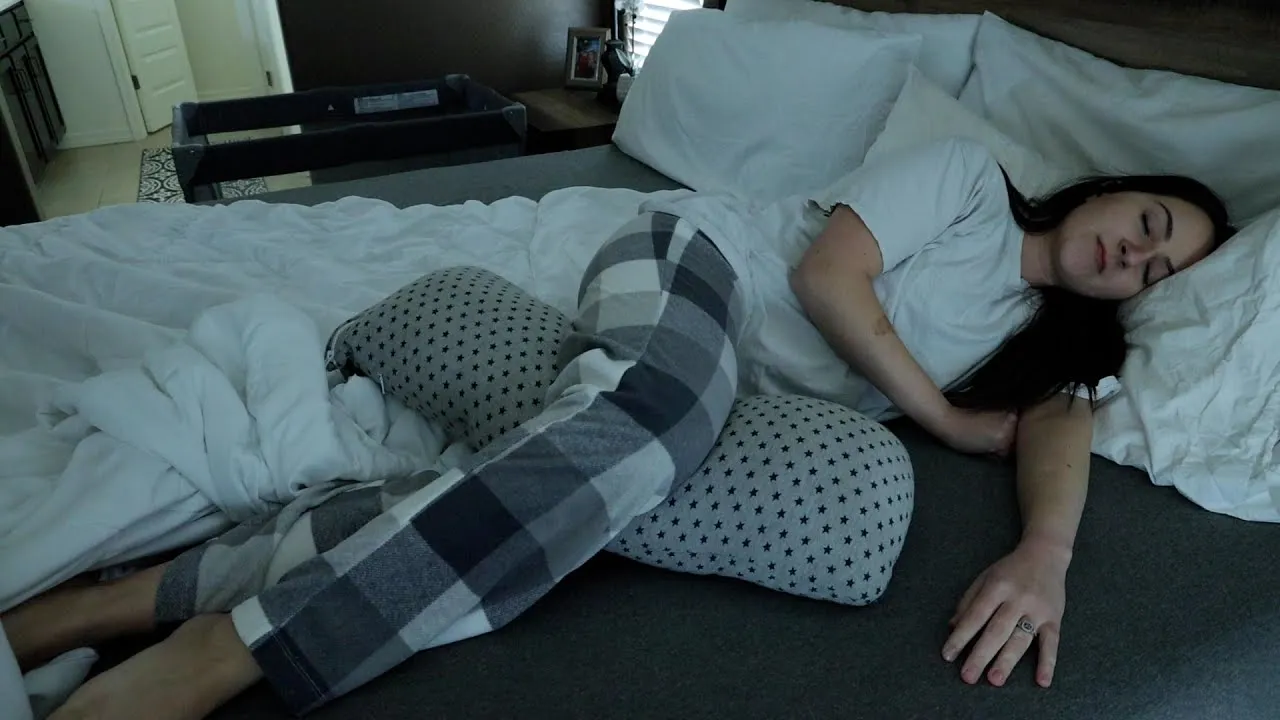
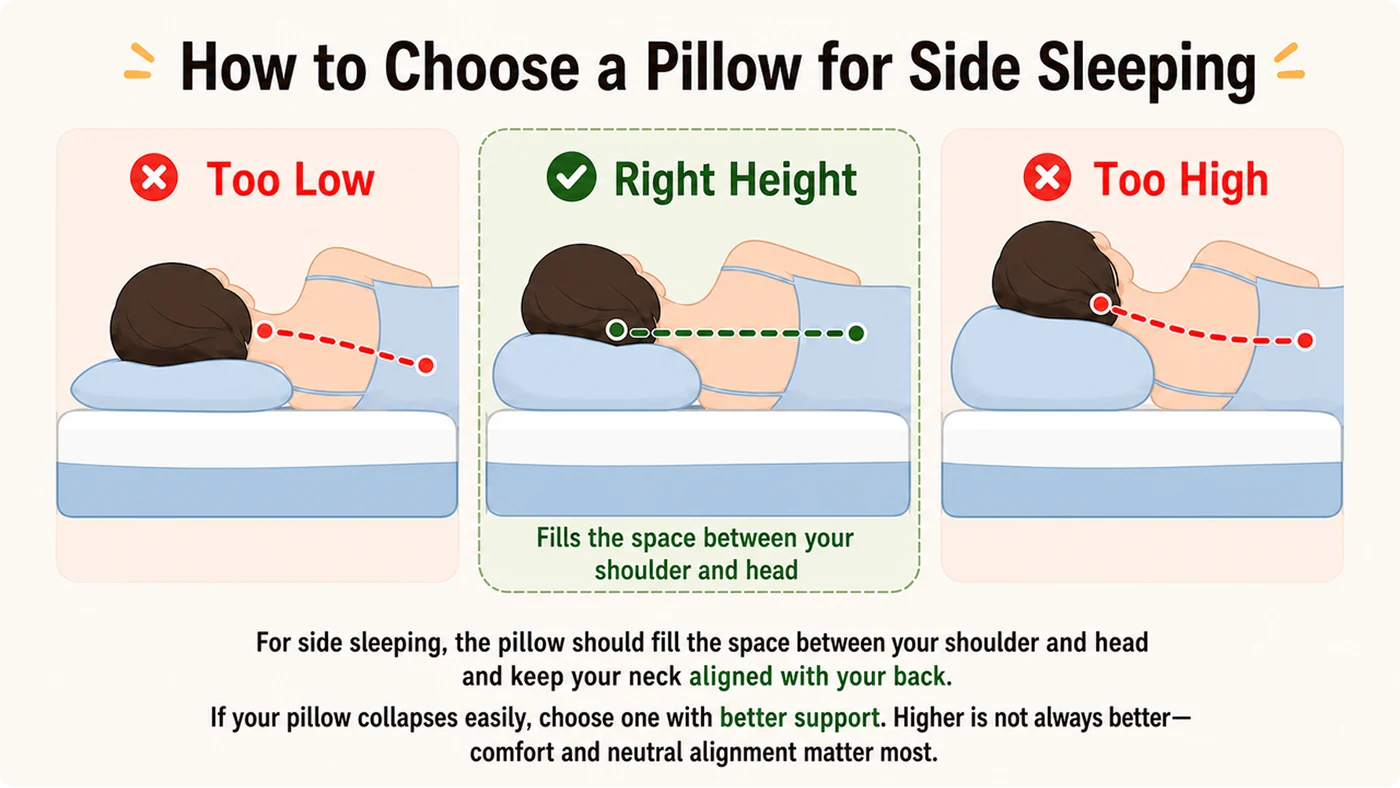
Your sleeping position can be trained. Rolling onto your back after falling asleep is normal at first and does not mean you have failed. Research suggests that 4 to 8 weeks of consistent positional training can reduce the amount of time spent sleeping on your back. A supportive pillow and a body pillow can also make side sleeping more comfortable and easier to maintain.
Method 1: Choose a Pillow with the Right Height and Support
Method 2: Use a Body Pillow for Support
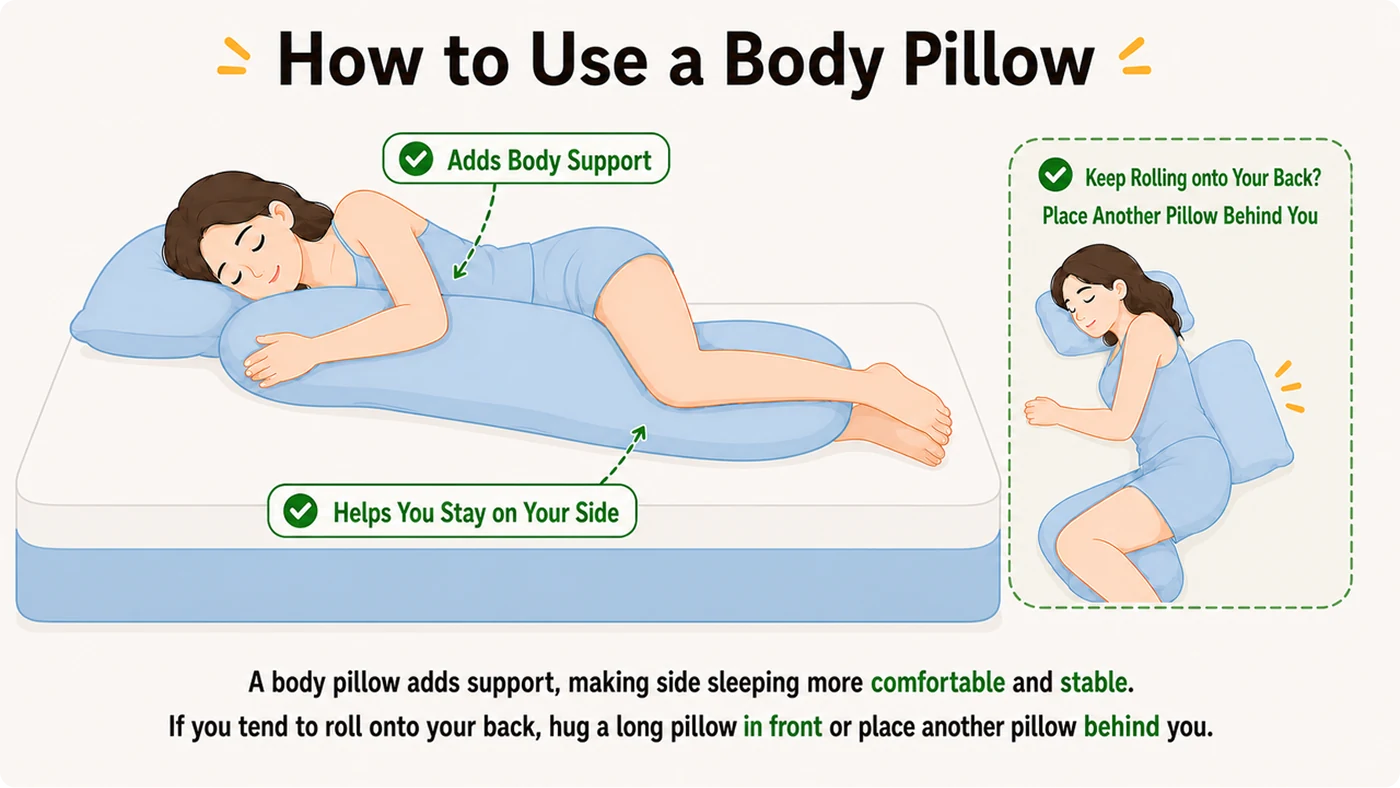
Treatments That Require Medical Evaluation
If you continue to snore after making lifestyle changes, consider consulting a doctor. A PAP machine is the most common treatment and can help keep your airway open. Depending on your condition, your doctor may also recommend an oral appliance or surgery.
How Sleepal Can Help You
Sleepal is not a substitute for medical diagnosis.
1. See When Snoring Occurs During the Night
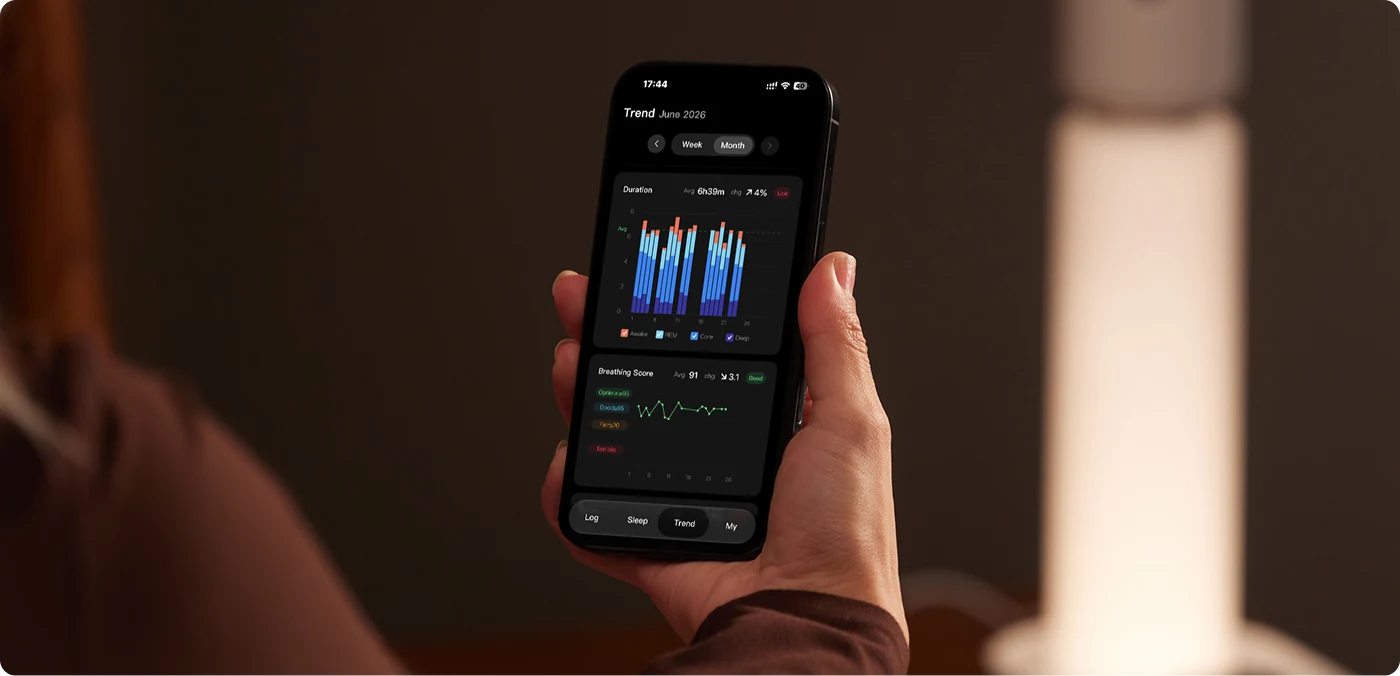
Sleepal records changes in snoring, breathing, and sleeping position throughout the night, helping you understand when snoring tends to occur.
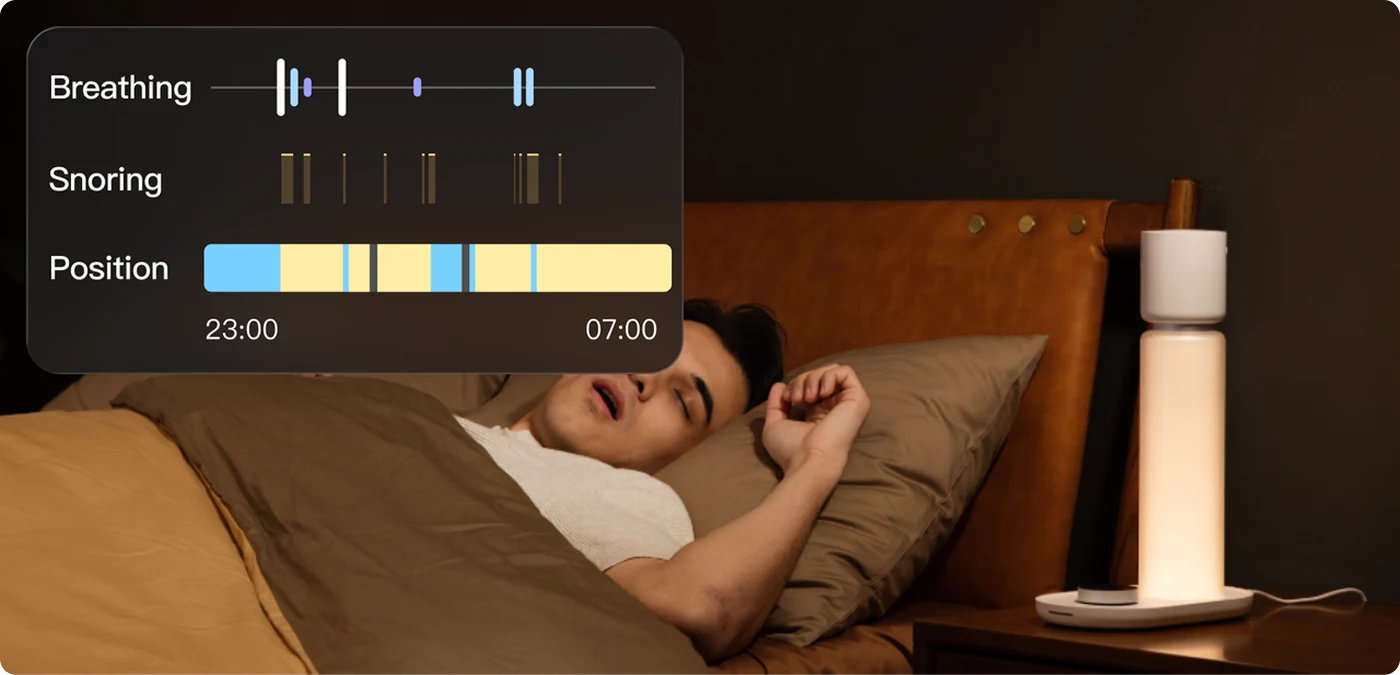
2. See How Snoring and Breathing Change with Sleep Position
Compare your breathing in different sleeping positions. If your breathing score is lower while sleeping on your back, better while sleeping on your side, and snoring is more pronounced during back sleeping, this may suggest that back sleeping is one factor affecting your nighttime breathing.
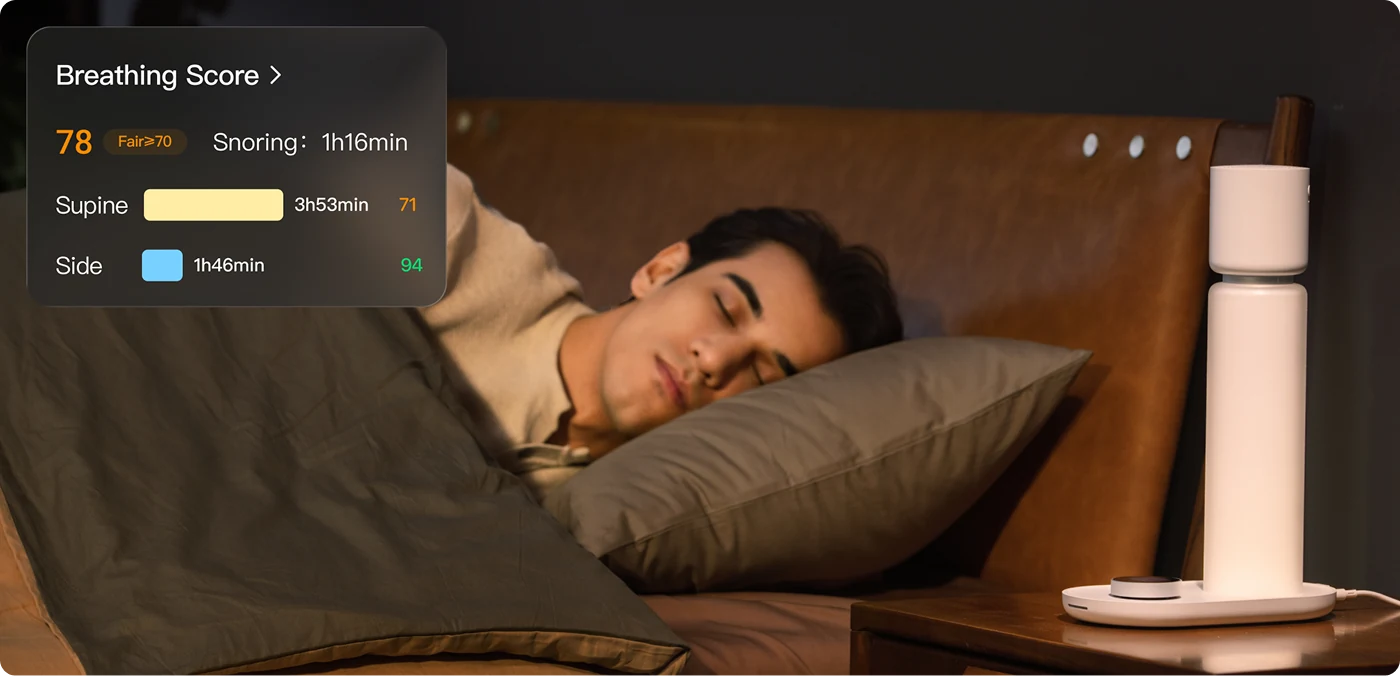
3. Improve Your Breathing by Adjusting Your Sleep Position
You can use a more suitable pillow or a body pillow to increase the amount of time you spend sleeping on your side.
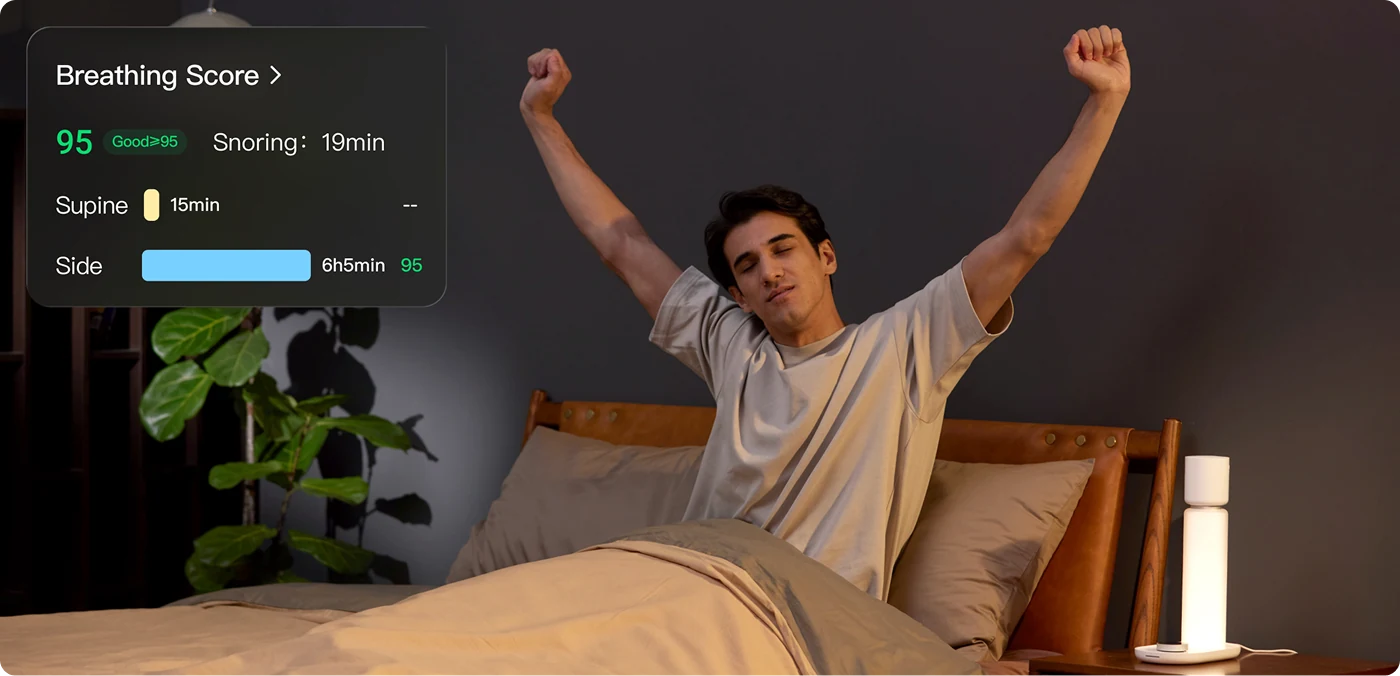
4. Track Your Progress Over Time
Do not judge the result from a single night. As your side-sleeping percentage increases, continue observing whether your breathing while side sleeping and your overall breathing score gradually improve and remain stable.
A Real User Story
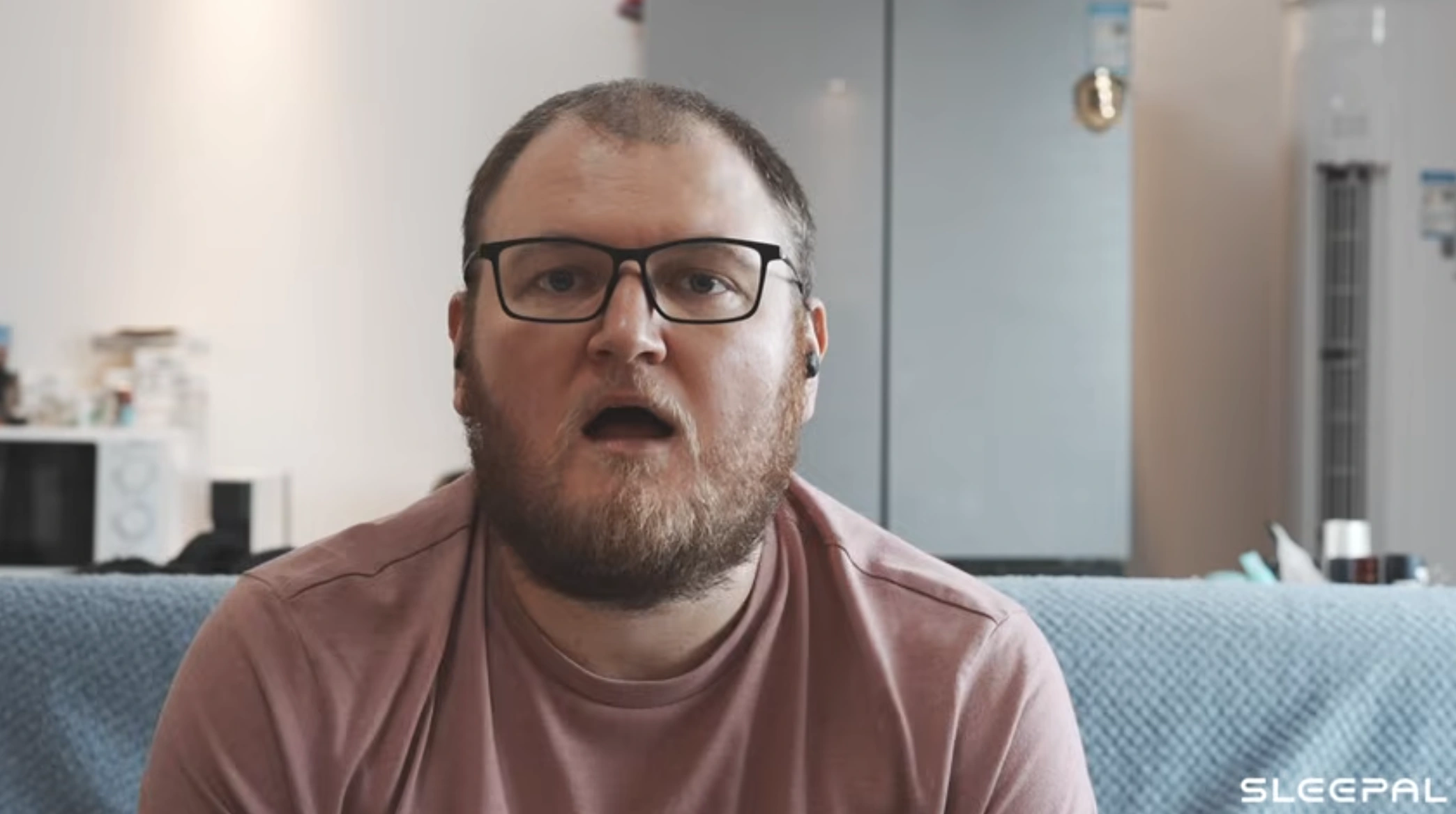
After undergoing a professional evaluation, Joe realized that his nighttime breathing problem needed to be taken seriously.
By using Sleepal consistently, he discovered that his breathing was affected by sleeping position, and that fatigue and alcohol could also make it worse. Once he understood these patterns, he began practicing side sleeping more intentionally.
Joe's experience shows that change does not always happen immediately. First identify the factors that affect you, then keep observing over time to learn which methods truly work for you.
Share Article

At Sleepal, our mission is to awaken your potential through better sleep, naturally. We believe great technology should care for you, not complicate your life. Working quietly from your bedside, Sleepal helps you understand your sleep, wind down, and wake up gently.
Be First To Know
Subscribe for top stories, news and tips on how to transform your business with Sleepal.