
After Years of Waking Up with Headaches, I Spent Nearly Three Years Building an AI Sleep Lamp
 Sleepal FounderApril 16, 2026
For many years, I would often wake up with a splitting headache. Even after a full night in bed, I felt as though I had barely slept.
I tried nasal strips, all kinds of sleep aids, and a CPAP machine. But finding something I could stick with over the long term—and that would help me sleep better every night—was not easy.
That was when I began to believe something more and more deeply:
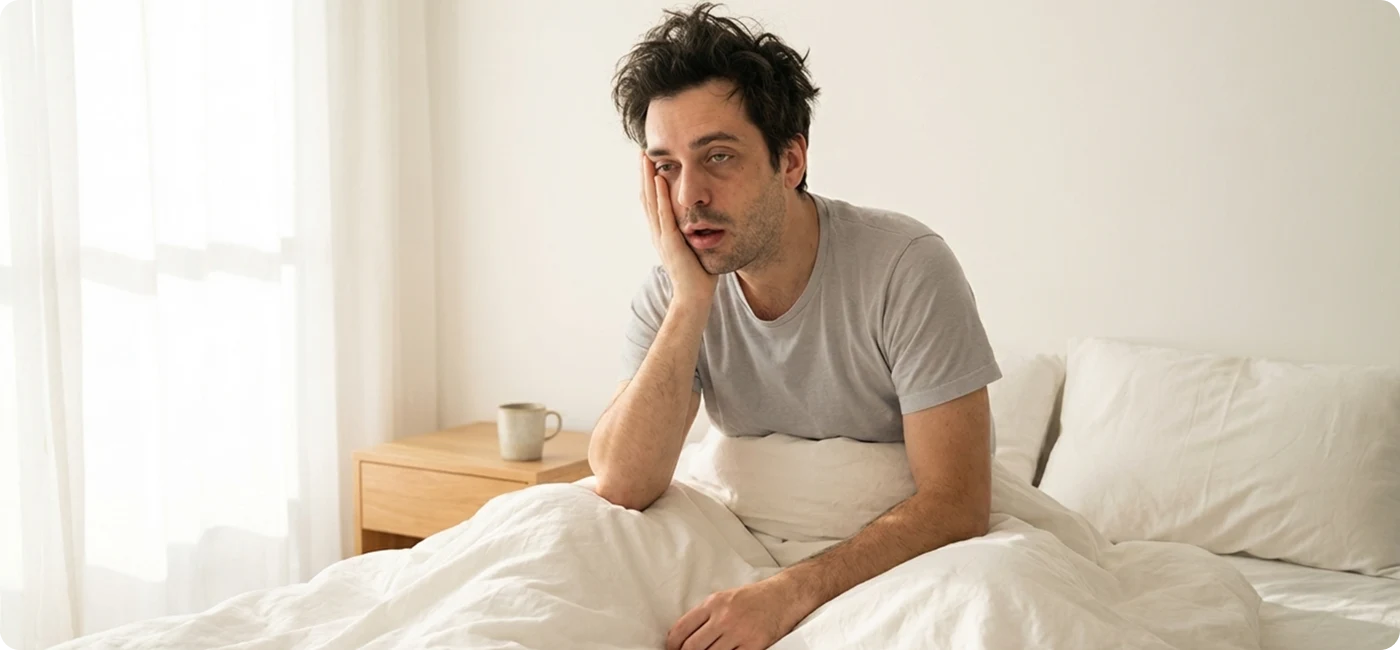
Consistently sleeping well may be the most important thing I can do for my health.
I had spent more than a decade at a Fortune Global 500 technology company, overseeing an IoT platform connecting 500 million devices and cloud services used by more than 200 million people.
Yet sleep—the system so closely tied to my health—remained the hardest problem for me to “debug.”
That is why I decided to build Sleepal.
Bring Serious Sleep Intelligence to Your Bedside
Today, watches and rings have encouraged many people to take their sleep seriously for the first time. That is a good thing.
But at night, wearables have natural limitations. Some people do not want to wear anything to bed. Others want to charge their devices overnight, or find prolonged wear uncomfortable because of sensitive skin.
More importantly, wearables mainly infer sleep from signals such as movement and heart rate at the wrist or finger. They can reveal some trends, but they struggle to capture the full picture of what happens in a real bedroom:
Are you asleep, or simply lying still?
Is your snoring related to your sleeping position?
Are temperature, noise, or light affecting your sleep?
And much more.
These are things a wearable cannot fully tell you.
To understand sleep more completely, the answer does not necessarily have to be another device on your body.
Perhaps the most natural place for it has always been the bedside.
During the day, wearables are good at tracking activity and physical condition. At night, Sleepal can offer a more complete understanding of sleep, breathing, snoring, sleeping position, and the bedroom environment.
They complement each other, helping us see sleep and recovery more clearly.
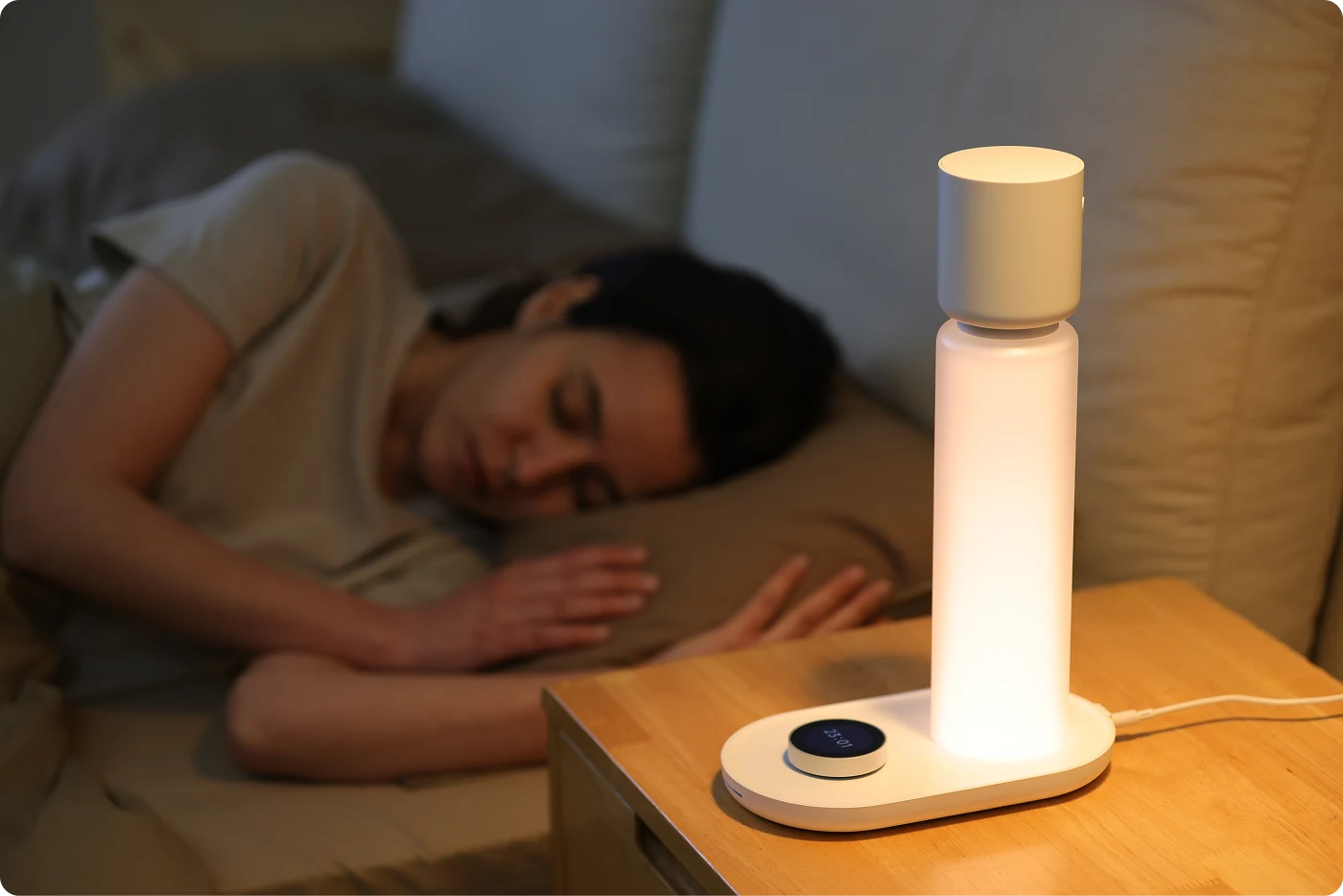
A bedside device can also help improve sleep: turning off the light after you fall asleep, adjusting the air conditioner as your sleep and surroundings change, and waking you with gentle light when you are in a lighter stage of sleep and better ready to wake.
Nearly Three Years to Understand Sleep More Accurately
Spending nearly three years on a lamp might sound excessive.
But the hardest part of Sleepal was never “making a lamp.” It was making contactless sleep tracking accurate enough for real homes.
A real bedroom is far more complex than a lab. Beds, blankets, tossing and turning, partners, pets, noise, and temperature can all affect the results.
Accuracy was something we could not compromise on.
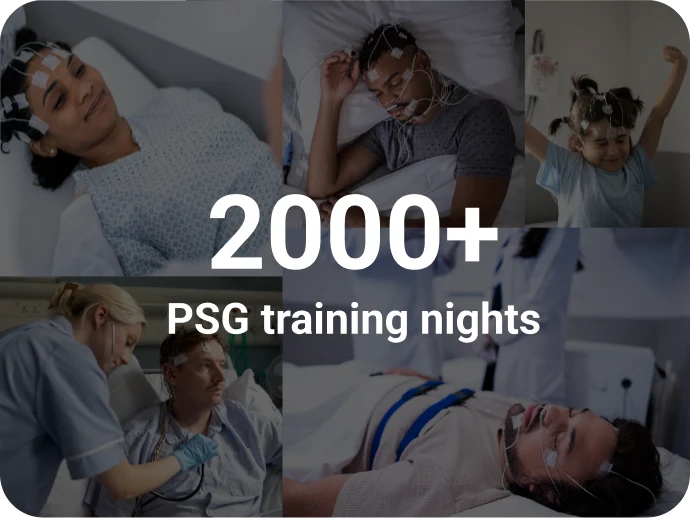
That commitment became nearly three years of work: sensor systems, AI models, training on more than 2,000 nights of polysomnography (PSG) data, and extensive testing in real bedrooms.
There were many moments when we were not sure we could make it work.
But we kept going.

Today, we have finally done it.
In our arXiv paper, co-authored with Professor Thomas Penzel, President of the World Sleep Society, Sleepal was validated against 1,022 nights of hospital PSG data and achieved κ = 0.695. This is higher than the corresponding figures in published reports for Apple Watch (0.68) and Oura Ring (0.65).
If you are interested in the technology, you can read our paper.
For me, accuracy has never been about showing off the technology. It matters because truly useful advice for improvement is only possible when the data is accurate.
More Than a Score: Find What You Can Change
Without requiring you to wear a device, Sleepal records a comprehensive range of sleep-related information: breathing rate, heart rate and HRV, sleep duration, sleep stages, awakenings and movement, snoring, changes in sleeping position, and how the bedroom environment affects your sleep.
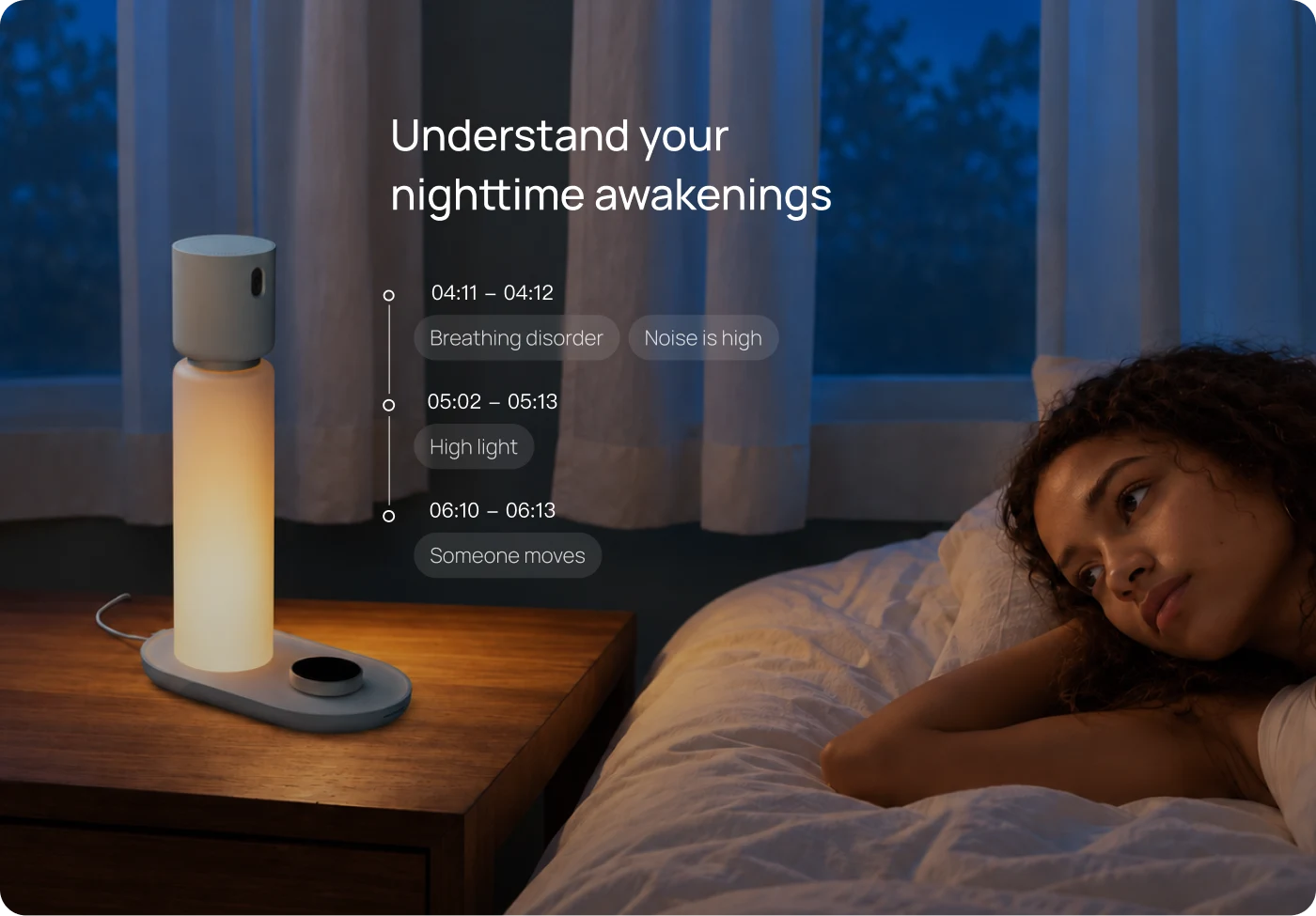
It does more than tell you whether you slept well last night. It helps you see what is actually affecting your sleep.
Do you snore more when sleeping on your back? Why do you keep waking up during the night? Does it take too long to fall asleep? Or is your bedroom not well suited to recovery?
A truly valuable sleep product should do more than give you a score. It should help you identify things you can change.
Seeing the Problem Shows You Where to Start
Earlier this year, we launched a small paid presale and public beta for Sleepal. I am glad to see that it has already started helping many people.
Katie, a user in the United States, told us:
“With it, I finally no longer have to wear a device to bed or worry about skin irritation.”
The experience of AK, a blogger in China, also left a strong impression on me.
He had long struggled with snoring and breathing problems during sleep, and continued to use CPAP. After starting to use Sleepal, his nightly reports showed that his snoring was noticeably worse when he slept on his back. He began deliberately building a habit of sleeping on his side.
Two months later, his snoring time had gone from 6 hours and 7 minutes a night to around 1 minute on some nights.
This was not because Sleepal had “treated” anything. It had recorded nighttime habits and physical responses that had previously been invisible, helping him understand where to begin making changes.
AK also compared Sleepal’s data with his watch and ring: “I found it was the most accurate every time. The Watch and Ring sometimes differed, but it was always the most accurate.”
Another user in Italy put it very directly:
“This lamp picked up a problem that my $400 watch completely missed.”
For people with fitness and recovery goals, Sleepal can also help them better understand their overnight recovery, giving their bodies a better chance of getting truly restorative sleep.
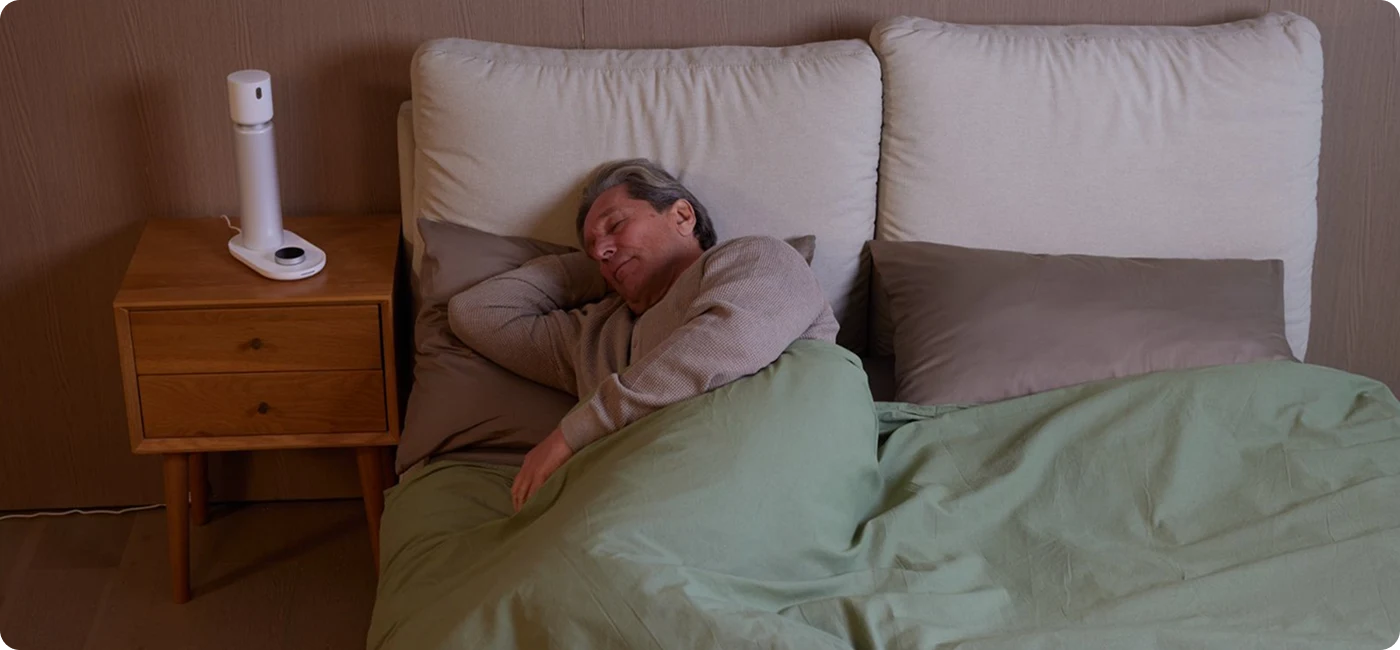
Why a Lamp?
We wanted Sleepal to be something that naturally belongs at your bedside and gets used every day, without becoming another device you need to wear, charge, and turn on.
That made a lasting, appealing design important.
Sleepal was designed by Li Ningning, the recipient of multiple international design awards. We wanted it to be a lamp you would truly want beside your bed, rather than a cold, clinical monitoring device.
Its seamless form has the warmth and translucence of jade. When lit, it gives off a soft glow; from every angle, it feels quiet, restrained, and timeless.
We have always believed that the best technology should feel natural and effortless—so much so that you barely notice it is there.
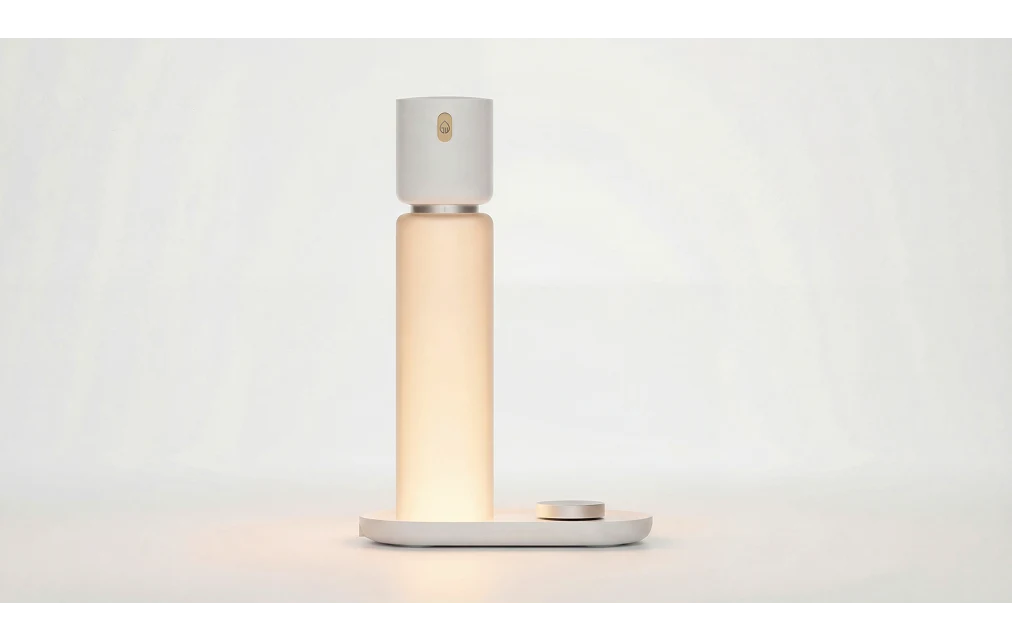
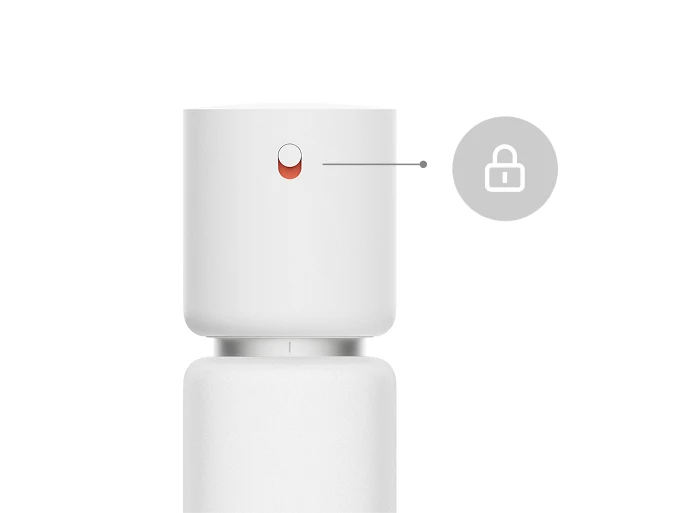
It has no camera. Privacy comes first.
Before bed, breathing exercises, soothing sounds, and gradually dimming light can help you unwind.
In the morning, it can use your sleep stage to wake you with light that resembles a sunrise, at a lighter stage when you are better ready to wake.
By breakfast, you can read an accurate, insightful sleep report.
That is what a “smart lamp” should be to me:
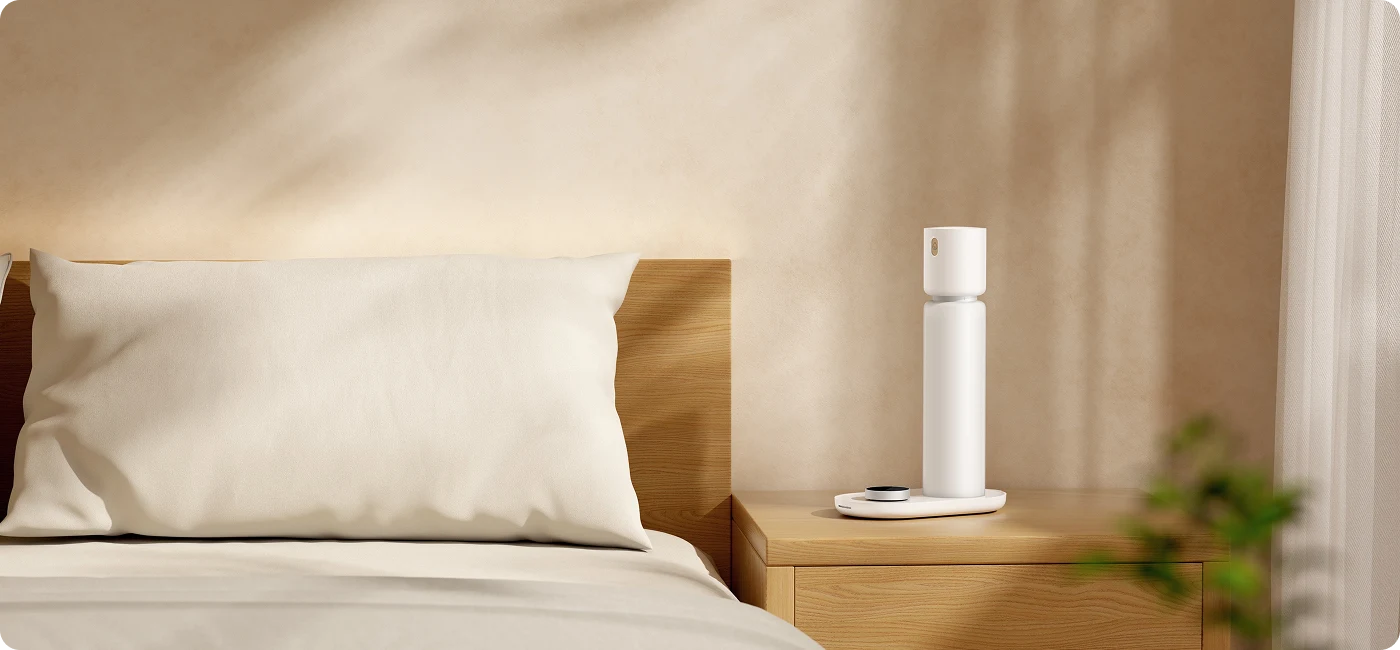
Something that quietly stays at your bedside and lends a hand when you need it, without showing off or competing for your attention.
It is also where the name Sleepal comes from:
Sleep + Pal: a quiet sleep companion.
Starting with Sleep, Caring for Homes and Families
For me, the days of waking up groggy and exhausted, no matter how long I slept, are gradually becoming a memory.
This year, Sleepal received three CES 2026 Innovation Awards, making it one of the products with the most awards.
But to me, awards are only a beginning. What matters more is bringing Sleepal into more bedrooms and helping people take sleep seriously.
Sleepal is also more than a single product. It is our first step toward AI for family health, starting with sleep.
What we want to do is simple, but it is a long-term commitment:
Care for the home. Care even more for the people in it.
Starting with sleep, we want to offer families genuinely useful support for their health when they need it, without disruption or added burden.
Share Article
At Sleepal, our mission is to awaken your potential through better sleep, naturally. We believe great technology should care for you, not complicate your life. Working quietly from your bedside, Sleepal helps you understand your sleep, wind down, and wake up gently.
Be First To Know
Subscribe for top stories, news and tips on how to transform your business with Sleepal.